Two bottles can share almost the exact same fragrance formula — the same notes, the same brand, even the same name — and still perform completely differently on skin. One fades within a couple of hours. The other is still noticeable at bedtime. The difference almost never comes down to "quality" in the way most people assume. It comes down to a number most shoppers never think to check: the percentage of fragrance oil in the bottle.
That number is the concentration, and understanding it is the single most useful thing you can learn before buying a fragrance.
What "Concentration" Actually Means
Every fragrance is a blend of aromatic compounds — the fragrance oil — dissolved in a carrier, usually a high-grade ethanol. The concentration is simply the proportion of that blend made up of actual fragrance oil versus carrier.
More oil means more aromatic material sitting on your skin, evaporating slowly over hours instead of minutes. Less oil means a lighter, more diluted mixture that reads clearly for a short burst and then thins out quickly. This single ratio — not the price, not the brand, not the packaging — is what determines how long a fragrance actually wears.
| Type | Fragrance Oil % | Typical Longevity | Where You'll Usually Find It |
|---|---|---|---|
| Parfum Extrait | 30–40% | 12–24 hours | Niche and artisanal houses |
| Eau de Parfum (EDP) | 15–20% | 6–8 hours | Mid-to-premium retail |
| Eau de Toilette (EDT) | 5–15% | 3–5 hours | Department stores, mall brands, gift sets |
| Eau de Cologne (EDC) | 2–4% | 1–3 hours | Aftershaves, body sprays |
| Eau Fraîche | 1–3% | Under 2 hours | Body mists |
Notice how wide that range is. Going from an Eau de Toilette to a Parfum Extrait isn't a small step up — it's roughly a 3–8x increase in the amount of fragrance oil you're actually wearing, and a corresponding jump in how long it lasts.
What Tier Are You Actually Paying For?
Here's the part that catches most people off guard: a large share of fragrances sold at department stores and mall counters — the ones people casually call "perfume" — are formulated as Eau de Toilette, the lighter concentration tier. That's a completely standard, industry-normal way to formulate a mass-market fragrance. It's not a defect. But it does mean the product is built for a different kind of use: a quick, bright application meant to be topped up through the day, not a single spray that carries you from breakfast to dinner.
If you've ever applied a fragrance in the morning and found it had all but disappeared by lunchtime, this is very likely why. It's rarely that "the perfume was bad." It's that the concentration tier was never designed for 12-hour wear in the first place.
Why the Difference Feels So Dramatic
Fragrance is built from molecules of different weights. Light molecules — top notes, like citrus and light florals — evaporate first and fastest. Heavier molecules — base notes, like woods, resins and musks — evaporate slowly and are what you still smell hours later.
At a low concentration, there simply isn't enough of those heavier base-note molecules present to sustain a scent once the initial burst of top notes has evaporated. At a high concentration — a Parfum Extrait's 30–40% oil — there's enough of every layer present that the fragrance keeps unfolding for hours: top notes first, then heart notes, then a long, slow base-note finish. We go into this in more detail in our guide to what Parfum Extrait actually is.
Singapore note: Heat and humidity accelerate evaporation. A lighter concentration that might last 4–5 hours in a temperate climate can fade noticeably faster here — which makes concentration an even more important factor to check before you buy in a tropical climate.
The Real-World Difference: 3–5 Hours vs 12–24 Hours
Put plainly, in Singapore's climate:
- Eau de Toilette (5–15% oil): A bright opening, largely faded by early afternoon if applied in the morning. Built for reapplication.
- Eau de Parfum (15–20% oil): Noticeably longer wear, often needing a top-up by evening for full-day coverage.
- Parfum Extrait (30–40% oil): Applied once in the morning, still present and evolving at night. No midday reapplication required.
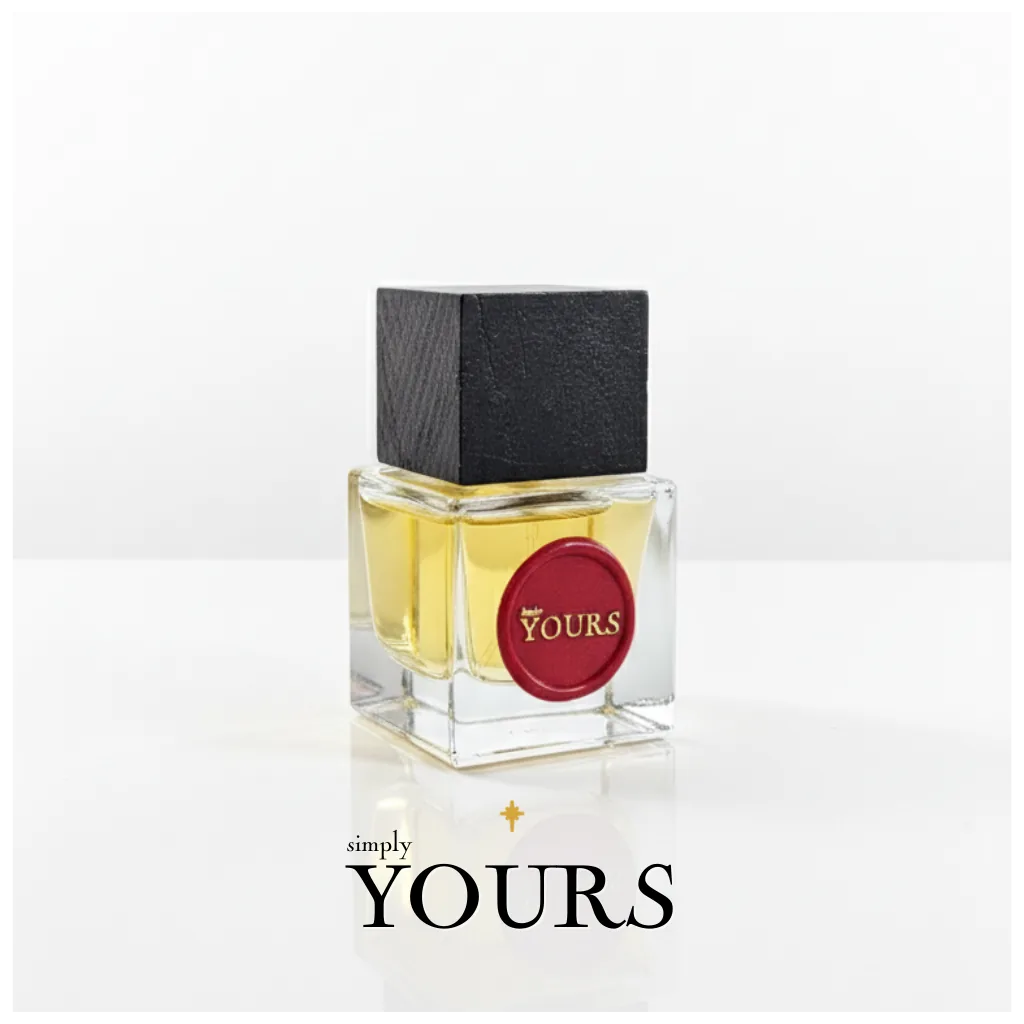
This is the entire reason Simply Yours formulates exclusively in Parfum Extrait. It's not a marketing label — it's a deliberate choice about how a fragrance should actually behave once it's on you, not just how it smells in the first five minutes at a counter.
Concentration and Price: Getting the Math Right
A higher concentration usually costs more per millilitre — but that's not the same as costing more per wear. Because Parfum Extrait is so concentrated, you need far less of it per application: one or two dabs to pulse points, rather than four to six sprays across wrists, neck and chest.
A small bottle of Extrait, used correctly, can outlast a much larger bottle of Eau de Toilette in terms of number of wears — because so little product is needed to achieve a full day of coverage.
How to Check What You're Actually Buying
Before you buy, check the label for the actual name of the fragrance type — "Parfum" or "Extrait de Parfum," "Eau de Parfum," "Eau de Toilette," or "Eau de Cologne." Don't assume from price or packaging alone; the concentration tier printed on the bottle is the only reliable indicator.
Every fragrance we make — Autumn Whisper, Coastal Embrace, and Embun de Forêt — is formulated as a true Parfum Extrait at 30–40% fragrance oil, so there's no guessing involved. If you'd like to experience the difference concentration makes for yourself, the Discovery Set lets you try all three in 3ml vials for S$18.
Feel the Difference Concentration Makes
Try all three Simply Yours Parfum Extraits in the Discovery Set — 3ml of each, S$18, free local delivery.
Shop Discovery Set Browse Full Range